Inflammation is an important process that our body uses to contain and resolve damage. But when the source of the damage is not removed, inflammation can persist, leading to tissue damage. This stimulates increased immune activity and MORE inflammatory cells are recruited in an attempt to get on top of the cause, and in doing so, can initiate a cycle of chronic, persistent inflammation.
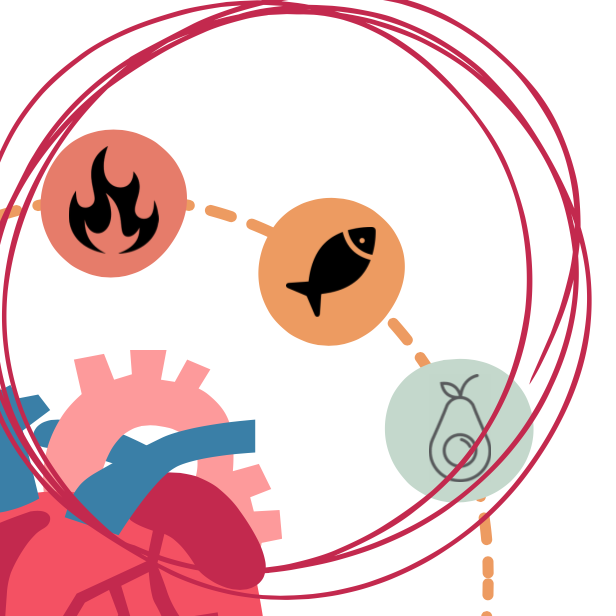
Chronic inflammation can cause damage throughout the body, including in the cardiovascular system where it can contribute to heart disease, atherosclerosis and other issues.
Sometimes detective work is required to identify what is driving the underlying inflammation, which may stem from:
- Chronic infections
- Nutrient deficiencies
- Sedentary lifestyles
- Chronic lack of sleep
- Exposure to toxins
- Hormone imbalances
- Disturbances in the gut microbiome
- Food sensitivities
- Poor blood sugar management
- Emotional, mental or physical stress
The first step in reducing systemic inflammation is to establish the likely cause. This may be multi-factorial, and it can be useful to work with a health professional to identify what is behind it and to develop strategies to reduce or eliminate your drivers.
A wholefoods diet can begin the process of reducing the inflammatory load on the body. This would include ample fresh produce and clean water, and focus on minimally processed foods. Specific foods that are valuable in a diet focused on reducing inflammation include:
- Garlic
- Green tea
- Oily fish – sardines, salmon
- Nuts & seeds – chia, hemp, flax seeds, walnuts
- Avocadoes, olive oil, coconut
- Brightly coloured fruits and vegetables
- Herbs & spices, especially turmeric, ginger, rosemary.
 naturopath kath